
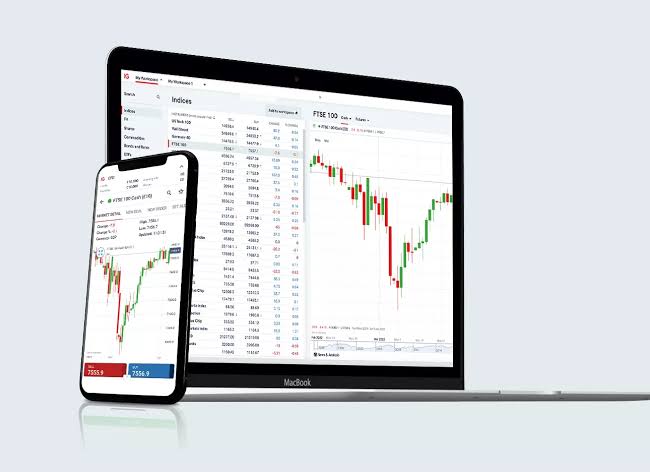
Trade means buying or selling a financial instrument in the market. It may involve shares, ETFs, derivatives, commodities, currencies, or other listed securities. For beginners, trading can look simple because digital platforms allow quick order placement. However, every trade carries risk and should be done with proper understanding.
A trade is not just a button click. It involves decision-making, price movement, order type, timing, charges, risk control, and exit planning. Beginners should first understand what they are trading, why they are entering the position, how much they can lose, and when they should exit. Without a plan, trading can become emotional and risky.
What Does Trade Mean
A trade is a transaction where one party buys and another party sells a financial instrument. In the stock market, a trader may buy a share expecting the price to rise or sell a holding when they want to exit. In some segments, traders may also take short-term positions based on price movement.
Trading can be short-term or long-term depending on the participant’s approach. Some people trade within a day, while others may hold positions for several days or weeks. Investors may also trade when they rebalance portfolios or buy securities for long-term holding.
The meaning of trade depends on context, but the basic idea remains the same: entering or exiting a market position.
How Trading Works In The Market
Trading happens through exchanges and registered intermediaries. A user places an order through a broker platform. The order goes to the exchange, where it is matched with a buyer or seller. Once matched, the trade is executed.
After execution, settlement takes place as per market rules. If the user buys shares, the securities are credited to the demat account after settlement. If the user sells shares, the securities are debited and funds are credited based on the settlement cycle.
This process is structured, regulated, and recorded. However, price movement before and after execution can affect profit or loss.
Common Types Of Trades
Different traders use different approaches based on their goals and risk appetite.
Intraday Trade
An intraday trade is opened and closed on the same trading day. It requires active monitoring and strong risk control.
Delivery Trade
A delivery trade means buying shares and holding them beyond the same day. The securities are credited to the demat account after settlement.
Swing Trade
A swing trade usually involves holding a position for a few days or weeks to benefit from expected price movement.
Positional Trade
A positional trade may be held for a longer period based on trend, sector view, or broader market expectation.
Derivative Trade
Derivative trades involve futures and options. These are more complex and may involve leverage, expiry, and higher risk.
Important Trading Terms Beginners Should Know
Beginners should understand key terms before placing trades.
Buy Order
A buy order is placed when a trader wants to purchase a security.
Sell Order
A sell order is placed when a trader wants to exit or reduce a holding.
Market Order
A market order is executed at the best available market price. It may execute quickly, but the final price can differ during fast movement.
Limit Order
A limit order allows the trader to set a specific price. The order executes only if the market reaches that price.
Stop Loss
A stop loss is used to limit loss if the trade moves against the trader.
Target Price
A target price is the expected exit price where the trader may book profit.
Why Beginners Should Learn Before Trading
Trading without learning can lead to avoidable losses. Beginners often enter the market after seeing price movement, social media tips, or short-term profit stories. This approach is risky because markets can move quickly in both directions.
Before trading, beginners should learn:
- Market basics
- Order types
- Risk-reward ratio
- Position sizing
- Stop-loss usage
- Brokerage and charges
- Liquidity
- Volatility
- News impact
- Emotional control
Learning does not remove risk, but it helps traders make more informed decisions.
Difference Between Trading And Investing
Trading and investing are often used together, but they are different approaches.
Trading usually focuses on shorter-term price movement. Traders may enter and exit positions based on charts, trends, market news, or technical levels. They need active monitoring and quick decision-making.
Investing focuses on long-term ownership. Investors may buy securities based on business quality, valuation, earnings growth, asset allocation, or financial goals. They usually hold for a longer period.
Both approaches can exist in a portfolio, but beginners should not confuse them. A trade should have a defined exit plan, while an investment should have a longer-term reason.
Trading And Broader Investment Planning
In the middle of market participation, some users also invest through a Mutual Fund because they may not want to select individual stocks or trade actively every day. Mutual funds and trading serve different purposes in a financial plan.
Trading requires active involvement, while mutual funds provide professionally managed exposure based on the scheme objective. A person who does not have time or skill to study markets daily may prefer goal-based investing. On the other hand, someone who wants to trade should understand risk control before placing positions.
Benefits Of Learning To Trade Carefully
Trading can offer some benefits when approached with discipline and knowledge.
Market Participation
Trading allows users to participate in price movement across listed securities.
Flexibility
Traders can take positions based on different market views and time frames.
Better Market Awareness
Learning to trade can improve understanding of market behaviour, liquidity, news impact, and price trends.
Defined Risk Planning
With proper stop loss and position sizing, traders can define risk before entering a trade.
Portfolio Action
Trading skills may help investors rebalance, exit weak holdings, or manage tactical positions.
Risks In Trading
Trading carries risk and can lead to losses if not managed properly.
Market Volatility
Prices can move sharply due to news, earnings, global events, or market sentiment.
Emotional Decisions
Fear and greed can cause traders to enter late, exit early, or hold losing positions.
Overtrading
Frequent trades can increase costs and reduce discipline.
Leverage Risk
Using margin or derivatives can magnify losses.
Poor Research
Trading without analysis can turn into guesswork.
Lack Of Exit Plan
Without stop loss or target, traders may react emotionally during market movement.
Charges To Consider Before Trading
Every trade can involve costs. Beginners should understand these charges because frequent trading can increase total expenses.
Common costs may include:
- Brokerage
- Securities transaction tax
- Exchange transaction charges
- GST
- Stamp duty
- SEBI charges
- Depository participant charges
- Call and trade charges, if applicable
- Margin-related costs, where applicable
Even small charges can add up when trades are frequent. Traders should calculate net profit after all costs.
How To Build A Basic Trading Plan
A trading plan helps reduce random decisions. Before entering a trade, a beginner should answer a few questions.
What Am I Trading
Know the instrument, liquidity, price range, and risk.
Why Am I Entering
The trade should be based on analysis, not impulse.
What Is My Entry Price
Define the price at which the trade makes sense.
What Is My Stop Loss
Decide the maximum loss before entering.
What Is My Target
Know where profit booking may happen.
How Much Capital Will I Use
Position size should match risk capacity.
Common Trading Mistakes To Avoid
Many beginners lose money because of avoidable mistakes.
Following Random Tips
Trades should not be based only on messages, rumours, or social media opinions.
Ignoring Stop Loss
A stop loss helps control downside risk.
Trading With Borrowed Money
Borrowed money can increase pressure and lead to poor decisions.
Averaging Losing Trades Blindly
Adding more money to a losing trade without analysis can increase losses.
Chasing Fast Moves
Entering after a sharp price rise may expose traders to sudden reversal.
Not Reviewing Past Trades
Trade review helps identify repeated mistakes.
Trading Psychology Matters
Trading is not only about charts and prices. Psychology plays a major role. A trader may know the right rule but still make mistakes due to fear, greed, impatience, or revenge trading.
Good traders focus on process rather than every single outcome. Losses are part of trading, but uncontrolled losses can damage capital. A trader should accept small losses when the plan fails and avoid turning a short-term trade into an emotional holding.
Discipline, patience, and risk control are as important as market knowledge.
Account Setup For Trading
To trade listed securities, users generally need a trading account and demat account. The trading account is used to place buy and sell orders. The demat account holds securities electronically after delivery-based trades.
Opening a Demat Account Online can make the setup process convenient because users can complete KYC, link bank details, and access market platforms digitally. However, users should compare account charges, platform reliability, customer support, security, and order execution quality before choosing a provider.
Conclusion
Trade activity can help users participate in financial markets, but it requires knowledge, discipline, and risk control. Beginners should understand order types, charges, market movement, stop loss, position sizing, and emotional behaviour before placing trades.
A responsible trader does not enter the market only for quick profit. They follow a plan, limit losses, review performance, and avoid overtrading. With proper learning and patience, trading can become a structured activity instead of a random decision.
FAQs
What Does Trade Mean
Trade means buying or selling a financial instrument such as shares, ETFs, or derivatives in the market.
Is Trading The Same As Investing
No, trading usually focuses on short-term price movement, while investing focuses on long-term ownership and wealth creation.
What Is A Market Order
A market order is an order that executes at the best available market price.
Why Is Stop Loss Important In Trading
A stop loss helps limit losses when the market moves against the trade.
Can Beginners Start Trading
Yes, beginners can start trading after learning market basics, order types, risk control, and account requirements.
What Should I Check Before Placing A Trade
Check entry price, stop loss, target, position size, charges, liquidity, and reason for the trade.


