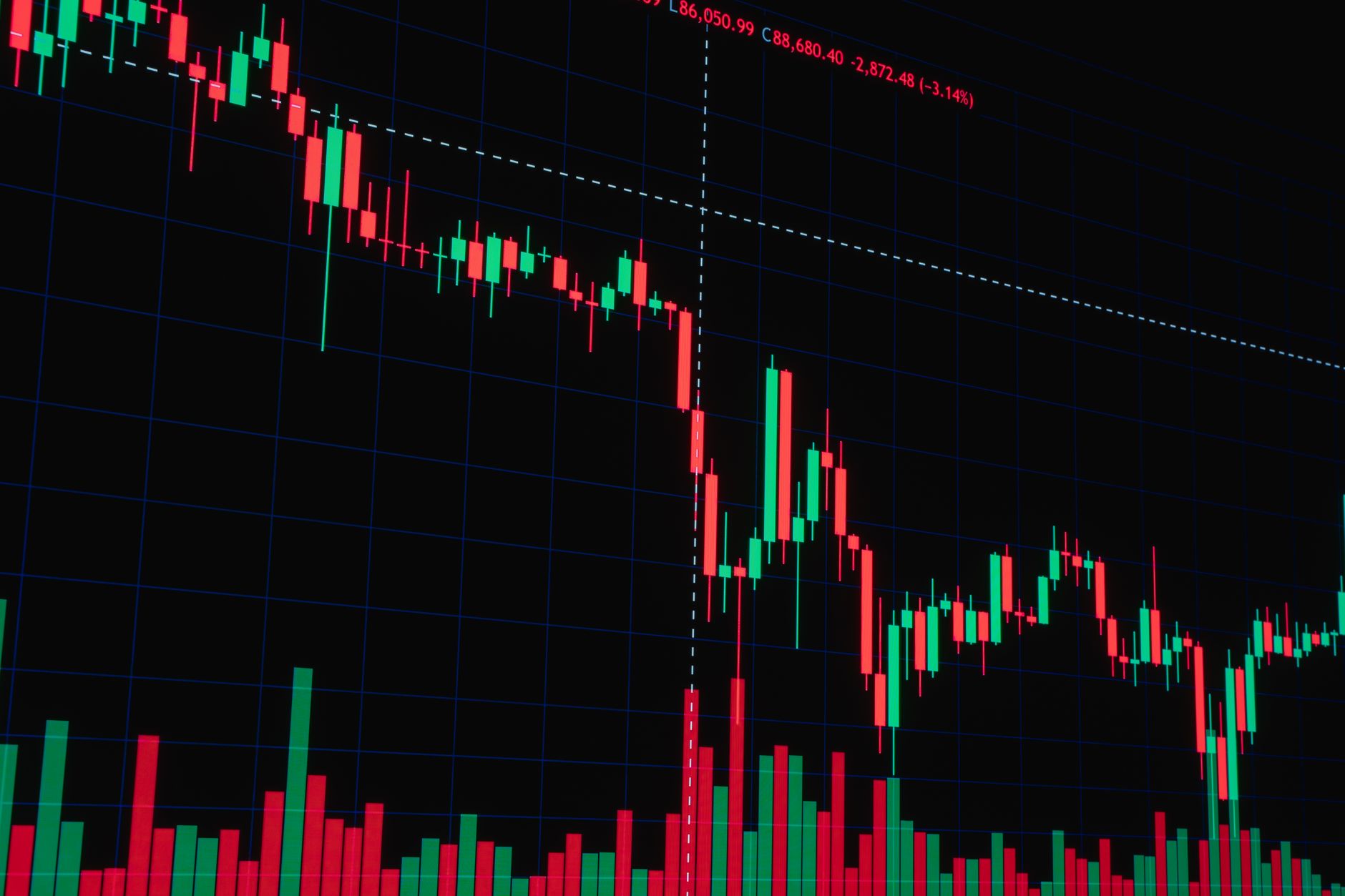
The stock market down today is attributed to several key factors affecting investor sentiment. Understanding these elements can provide clarity on the current market situation.
Understanding the Current Market Trends
The recent decline in the stock market has raised concerns among investors and analysts alike. Understanding the current market trends is essential to grasp the reasons behind this downturn. Several factors have contributed to the stock market down sentiment, impacting major indices such as the Sensex and Nifty 50.
Firstly, economic indicators play a crucial role in market dynamics. Recent reports indicate a slowdown in economic growth, which has led to a cautious approach among investors. Concerns over inflation and rising interest rates have further exacerbated the situation, prompting many to reassess their portfolios.
Secondly, geopolitical tensions have created an atmosphere of uncertainty. Ongoing conflicts and trade disputes have made investors wary, leading to a sell-off in key sectors. This uncertainty often triggers a domino effect in the stock market, causing widespread declines.
Lastly, corporate earnings reports have not met market expectations. As companies announce lower-than-anticipated profits, investor confidence wanes. The downgrading of forecasts for several major firms has contributed to the overall negative sentiment in the market.
In summary, the combination of economic indicators, geopolitical tensions, and disappointing corporate earnings has led to the current state of the stock market down. Investors are advised to stay informed and exercise caution as they navigate these challenging conditions.
Key Factors Behind the Stock Market Downturn
The recent downturn in the stock market can be attributed to several key factors that have created a ripple effect across major indices. Understanding these elements is essential for investors looking to navigate the current financial landscape.
- Global Economic Concerns: Increasing fears about a potential global recession have led to heightened volatility. Economic indicators from leading economies have shown signs of slowing growth, prompting investors to reassess their positions.
- Interest Rate Hikes: Central banks around the world are tightening monetary policies to combat inflation, resulting in higher interest rates. This shift often leads to reduced consumer spending and business investment, contributing to a stock market downtrend.
- Geopolitical Tensions: Ongoing geopolitical uncertainties, including trade disputes and military conflicts, have also played a role in dampening investor sentiment. These tensions can create unpredictable market conditions, further exacerbating declines in stock prices.
As these factors converge, market participants remain cautious. The stock market downtrend serves as a reminder of the interconnectedness of global events and their impact on financial markets. Investors are advised to stay informed and consider these dynamics when making investment decisions.
Impact of Economic Indicators on Markets
The recent decline in the stock market has been significantly influenced by various economic indicators that investors closely monitor. These indicators provide insights into the health of the economy and often dictate market sentiment.
One major factor is the inflation rate. Rising inflation can lead to increased interest rates, which in turn may dampen consumer spending and corporate profits. As companies report weaker earnings due to these pressures, stock prices tend to fall, contributing to the overall trend of the stock market down.
Another critical indicator is the unemployment rate. An increase in unemployment can signal economic stagnation, causing investors to lose confidence. When more people are out of work, consumer spending decreases, impacting businesses and their stock valuations.
Lastly, GDP growth figures play a pivotal role. A slowdown in GDP growth can raise concerns about the economy’s future trajectory. Investors often react swiftly to these reports, leading to a sell-off in stocks and further exacerbating the downturn.
In summary, the interplay of inflation, unemployment, and GDP growth creates a complex landscape that shapes market behavior. As these economic indicators continue to evolve, they will remain critical to understanding why the stock market is down today.
Investor Reactions to Market Changes
Investor reactions to the recent downturn in the stock market have been a mix of concern and caution. With the stock market down significantly, many traders and analysts are reassessing their strategies and positions. The volatility has led to heightened emotions among investors, prompting some to seek safer assets while others consider this a buying opportunity.
In light of the recent market trends, several key reactions have emerged:
- Increased volatility: Many investors are expressing frustration over the unpredictable nature of the market, leading to a surge in trading activity as they attempt to navigate the fluctuations.
- Shifts to defensive stocks: Some traders are pivoting towards defensive stocks, which are perceived as safer during downturns. These sectors tend to be less sensitive to economic cycles, providing a hedge against market instability.
- Long-term perspectives: While short-term volatility can be alarming, many seasoned investors emphasize the importance of maintaining a long-term perspective. They believe that the stock market downtrend may present opportunities for growth in the future.
Overall, as investors react to the current scenario, the sentiment remains cautious. The uncertainties around economic indicators and global events continue to shape their decisions, reinforcing the need for a balanced approach in these turbulent times.
Future Outlook for Sensex and Nifty 50
As investors look ahead, the future outlook for the Sensex and Nifty 50 remains uncertain amid the current stock market downtrend. Analysts suggest that several variables will play a crucial role in determining the direction of these indices in the coming weeks.
Firstly, global market trends will significantly influence the performance of Indian equities. A sustained downturn in international markets could lead to further sell-offs in domestic stocks. Investors are advised to monitor global economic indicators, such as inflation rates and central bank policies, which may impact investor sentiment.
Secondly, domestic economic recovery is pivotal. The pace at which the Indian economy rebounds post-pandemic will heavily influence market performance. Key sectors like manufacturing and services are being closely watched for signs of growth. Any positive news regarding economic expansion could restore confidence and lead to a market rally.
Thirdly, corporate earnings reports will be scrutinized as they provide insights into the health of companies. Investors will be looking for strong performance indicators that could counterbalance the current stock market down scenario. A string of robust earnings could signal a potential recovery phase.
In conclusion, while the immediate future for the Sensex and Nifty 50 appears challenging, there are opportunities for recovery if key economic and corporate indicators align positively.
The recent data suggests that the stock market down trend is largely influenced by rising interest rates. Additionally, investor sentiment has shifted, contributing to the stock market down situation we are witnessing today.
Photo by Rafael Minguet Delgado on Pexels