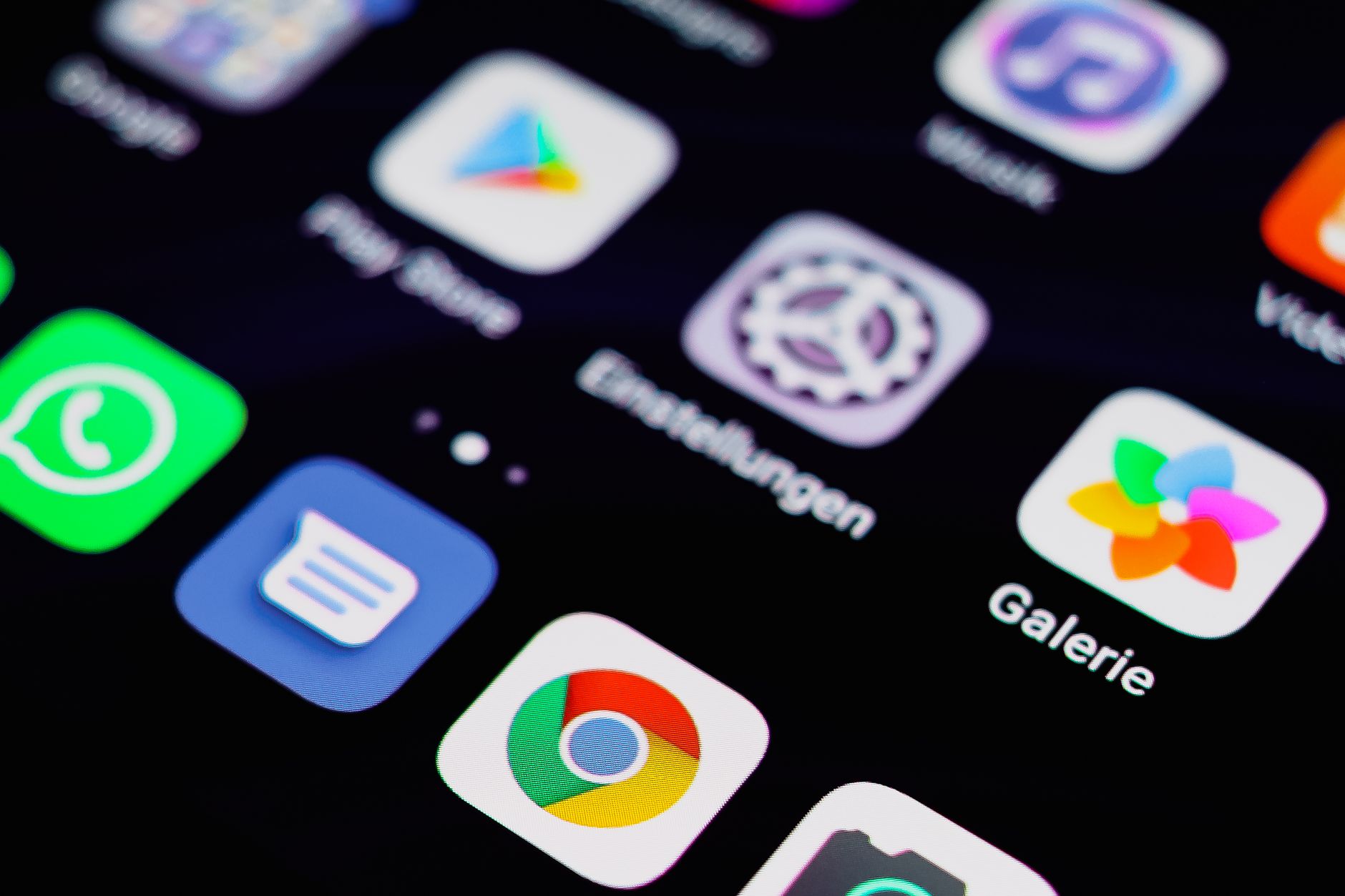
iOS on Android has become a reality as hackers successfully run Apple’s operating system on Android devices. This unprecedented achievement raises questions about security and compatibility.
How iOS on Android Works
In an unprecedented development, hackers have successfully managed to run iOS on Android devices, marking a significant breakthrough in mobile technology. This process involves a complex series of steps that allow the installation of Apple’s operating system on non-Apple hardware. The method typically requires the use of an emulator or a custom-built kernel that bridges the compatibility gap between the two platforms.
The key components of this operation include:
- Emulation: A program that mimics the hardware architecture of iOS, enabling it to run on Android systems.
- Kernel modifications: Adjustments made to the Android kernel to support iOS functionalities.
- Custom ROMs: Tailored versions of Android that include necessary drivers and support for iOS applications.
This groundbreaking achievement not only challenges the traditional boundaries of mobile operating systems but also opens the door for users to experience iOS applications on their Android devices.
The Risks Involved with iOS on Android
While the ability to run iOS on Android may seem revolutionary, it comes with several risks that users must consider. First and foremost, the legality of such modifications is questionable, and engaging in these practices could violate Apple’s terms of service.
Moreover, users may face significant security vulnerabilities. Running a modified operating system can expose devices to malware and hacking attempts, as the software is not officially supported or regularly updated. Additionally, performance issues are common; users may experience crashes, sluggishness, and compatibility problems with apps.
Another concern is the lack of support. If users encounter issues while running iOS on their Android devices, they may find it difficult to receive help from either Apple or Android support teams.
Lastly, the overall user experience may be compromised, as certain features of iOS may not function correctly on Android hardware.
In summary, while intriguing, the risks involved with iOS on Android should not be overlooked.
What This Means for Mobile Users
The emergence of iOS on Android has significant implications for mobile users worldwide. As hackers successfully run Apple’s iOS on Android devices, this breakthrough could alter the landscape of mobile operating systems.
Here are some potential impacts:
- Diverse User Experience: Users may enjoy the unique features of iOS without having to purchase an Apple device.
- Increased Customization: Android users might gain access to iOS applications and services, enhancing their device’s capabilities.
- Security Concerns: The ability to run iOS on Android raises questions about security and the integrity of user data.
- Market Competition: This development could push Apple and Android to innovate further, benefiting consumers with improved features and pricing.
While the idea of using iOS on Android is intriguing, it also highlights the challenges and ethical dilemmas that may arise in the tech community.
Comparing iOS and Android Features
The emergence of iOS on Android has sparked significant interest among tech enthusiasts. As users explore the potential of running Apple’s operating system on their Android devices, a comparison of features reveals intriguing insights.
Both iOS and Android offer unique advantages:
- User Interface: iOS is known for its intuitive design, while Android provides customizable interfaces.
- App Ecosystem: iOS boasts a curated app store with higher quality control, whereas Android allows for more diverse app sources.
- Hardware Compatibility: Android supports a wide range of devices, while iOS is limited to Apple products.
- Security: iOS is often praised for its robust security features, but Android’s open-source nature allows for greater flexibility.
As the lines blur between the two operating systems, users may find compelling reasons to experiment with iOS on Android, enhancing their mobile experience in unprecedented ways.
The Future of Mobile Operating Systems
The future of mobile operating systems is being shaped by unprecedented innovations that blur the lines between iOS and Android. The recent breakthrough of running iOS on Android phones has sparked discussions about the future of user experience and device compatibility.
As technology continues to evolve, users may find themselves enjoying the best of both worlds. This convergence allows for:
- Enhanced Flexibility: Users can switch between ecosystems effortlessly, taking advantage of unique features offered by both systems.
- Increased Customization: Personalization options may expand as developers create tools that cater to a wider range of preferences.
- Potential for Innovation: This merging could inspire new applications that utilize the strengths of both platforms.
Despite the challenges and risks associated with running iOS on Android, the implications for future mobile technology are exciting. Users can look forward to a more integrated and versatile mobile experience.
Expert Opinions on This Development
Experts in the field of mobile technology have expressed a mix of excitement and concern regarding the recent breakthrough of running iOS on Android devices. Dr. Sarah Jensen, a mobile software analyst, stated, “This development could revolutionize how users interact with their devices, allowing them to experience the best of both worlds.”
However, not all opinions are positive. Cybersecurity expert Mark Thompson cautioned, “While it’s fascinating, the risks associated with running iOS on non-Apple hardware could lead to significant vulnerabilities.” He emphasized the potential for data breaches and the lack of official support from Apple.
Additionally, tech journalist Emily Chen noted that this could lead to a fragmentation of user experience, as the two operating systems are designed with different philosophies in mind. “Users may find themselves in uncharted territory, and not all will navigate it successfully,” she remarked.
Overall, the expert community remains divided, highlighting both the potential and pitfalls of this unprecedented development.
Security Concerns with Running iOS on Android
The emergence of iOS on Android has raised significant security concerns among experts and users alike. While the prospect of running Apple’s iOS on Android devices is intriguing, it introduces a range of vulnerabilities that cannot be overlooked.
One major issue is the potential for malware to exploit the loopholes created by this unconventional integration. Hackers could capitalize on the unique architecture of both operating systems to develop sophisticated attacks.
Furthermore, since iOS is designed to operate within a closed ecosystem, running it on an Android framework may lead to unexpected behaviors and crashes, compromising device stability.
Users should also be wary of data privacy. With the integration of iOS on Android, sensitive information may be exposed to unauthorized access, increasing the risk of data breaches.
In summary, while the concept of using iOS on Android is groundbreaking, the associated security risks necessitate cautious consideration before users embrace this technology.
Community Reactions and Insights
The recent development of running iOS on Android has sparked a whirlwind of reactions within the tech community. Enthusiasts and developers are both amazed and skeptical about this groundbreaking achievement.
- Excitement: Many users are thrilled at the prospect of experiencing the iOS ecosystem on their Android devices, citing the potential for enhanced user interfaces and unique applications.
- Concerns: Others caution against the possible implications for device stability, performance, and security, emphasizing that this hack could lead to unforeseen vulnerabilities.
- Curiosity: Some tech-savvy individuals are eager to explore the possibilities, sharing their experiences and insights on forums and social media.
- Caution: Experts recommend exercising care, as this manipulation could void warranties and violate terms of service.
As discussions continue to unfold, the community remains divided, reflecting both the excitement of innovation and the caution that accompanies it.
Photo by El Jundi on Pexels
Where this came from
UltraTech Cement Q2 results: Worst drop post earnings report · 3M Q3 earnings: Best Proven Insights Ahead · Enerpac Tool Group earnings: Clear insights on Q4FY26