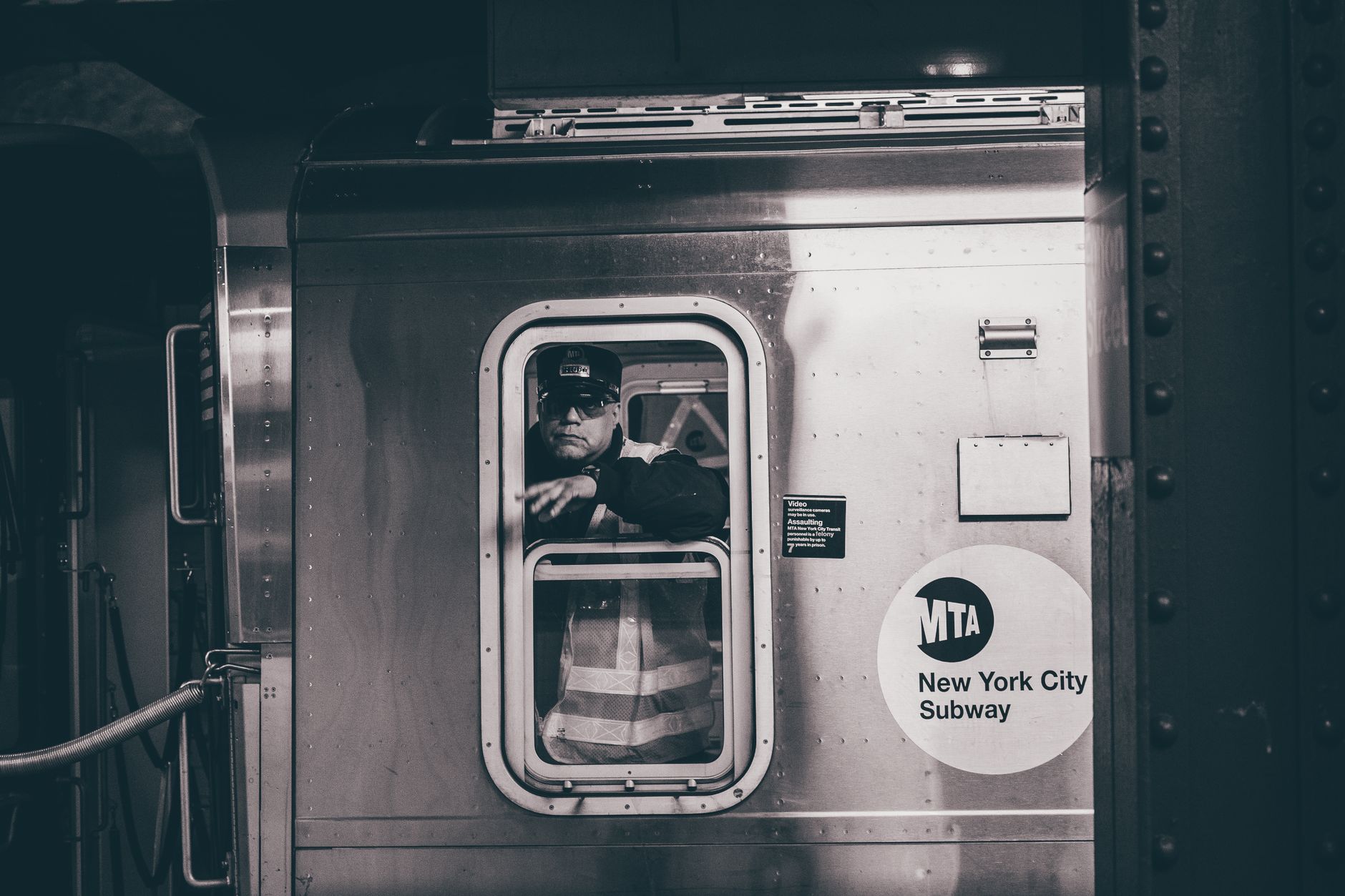
MTA labor talks are currently underway, with agency boss Lieber targeting what he describes as ‘kooky’ work rules and health insurance contributions during negotiations with the transit union.
Overview of MTA Labor Talks
The ongoing MTA labor talks have sparked significant discussion as the agency seeks to address what it describes as “kooky” work rules. These negotiations aim to streamline operational efficiency while ensuring fair treatment of employees. Key areas of focus include:
- Work Rules: The MTA is targeting various work rules that are seen as outdated or unnecessarily restrictive. These rules often hinder productivity and can create confusion among employees.
- Health Insurance Contributions: Changes to health insurance contributions are also on the table. The MTA aims to reduce its financial burden while maintaining essential health benefits for its workforce.
- Job Flexibility: Enhancing job flexibility and work arrangements is a priority. The MTA believes that adapting to modern workplace expectations can improve employee satisfaction and retention.
As the MTA labor talks progress, both sides are urged to engage in constructive dialogue. Finding common ground is crucial to ensuring that transit operations run smoothly while addressing the needs and concerns of workers.
Key Issues in Negotiations
The ongoing MTA labor talks have brought several contentious issues to the forefront, particularly concerning work rules that many deem outdated or unnecessary. According to MTA boss Lieber, the agency is scrutinizing what he calls “kooky” work rules that may hinder operational efficiency and productivity.
Among the key issues being targeted are:
- Overtime Regulations: The current rules surrounding overtime pay often lead to inflated labor costs and scheduling complexities.
- Shift Assignments: Existing guidelines can limit flexibility, making it challenging for management to respond to changing demands.
- Absenteeism Policies: Stricter protocols regarding absenteeism are being discussed to reduce misuse while maintaining worker rights.
- Health Insurance Contributions: The MTA is advocating for increased employee contributions to health insurance plans, aiming to alleviate financial burdens on the agency.
As these negotiations continue, both sides are hopeful for a resolution that addresses these key issues while ensuring fair treatment of workers involved in the MTA labor talks.
Impact on Transit Workers
The ongoing MTA labor talks have significant implications for transit workers, who are directly affected by the proposed changes in work rules. Many employees are concerned about the potential alterations, which MTA leadership has labeled as “kooky.” These rules impact day-to-day operations and the overall working environment for transit staff.
Among the issues being discussed, the following have been highlighted as particularly concerning:
- Strict Scheduling Regulations: Transit workers face rigid schedules that leave little room for flexibility, often affecting their work-life balance.
- Overtime Policies: Current policies regarding overtime can be cumbersome, leading to employee dissatisfaction and burnout.
- Health Insurance Contributions: Proposed changes to health insurance contributions could result in higher costs for workers, adding financial strain.
- Job Security: The fear of layoffs or reduced job security looms large, particularly in an uncertain economic climate.
As MTA labor talks progress, transit workers remain vigilant, advocating for fair treatment and better working conditions. The outcome of these negotiations will play a crucial role in shaping the future of their employment.
Health Insurance Contributions Explained
The ongoing MTA labor talks have brought the issue of health insurance contributions to the forefront, raising concerns among transit workers. Under the current agreement, workers contribute a percentage of their salary towards health insurance premiums, which can significantly impact their take-home pay.
Many employees argue that these contributions are disproportionately high, especially given the rising costs of living in New York City. As negotiations progress, the MTA is seeking to address these concerns while balancing its budgetary constraints.
Some key points regarding health insurance contributions include:
- Percentage of Salary: Employees currently pay a set percentage of their salary, which can vary based on their position and tenure.
- Impact on Workers: High contributions can lead to financial stress for many workers, particularly those with families.
- Negotiation Goals: The MTA aims to revise these contributions to be more equitable while ensuring that health coverage remains robust.
As the MTA labor talks progress, how these health insurance contributions are handled will be a critical factor in the negotiations, ensuring that the needs of workers are adequately addressed.
Public Response to MTA Changes
The ongoing MTA labor talks have sparked significant public interest and concern regarding the proposed changes to work rules. Many transit riders and community members are expressing their views on the potential impact these changes could have on service quality and worker morale.
A recent survey indicated that 68% of New Yorkers believe that maintaining fair work conditions for transit employees is essential for the overall efficiency of the transit system. As discussions unfold, certain work rules labeled as “kooky” by MTA chief Lieber are under scrutiny. These rules, which some argue hinder productivity and employee satisfaction, have become a focal point in negotiations.
Public forums and social media platforms are filled with diverse opinions. Many riders support the unions in their fight against what they perceive as unreasonable demands from the MTA. Some key concerns include:
- Impact on service reliability and worker stamina
- Potential changes to scheduling and overtime rules
- Job security for transit workers
As the MTA labor talks progress, the community remains watchful, aware that the outcome will significantly affect both workers and riders alike.
Historical Context of Labor Talks
The MTA labor talks have a long history of contentious negotiations between the Metropolitan Transportation Authority and various transit unions. Over the years, these discussions have often revolved around work rules deemed outdated or unnecessary. Labor agreements from previous decades have led to regulations that some argue are no longer viable in the modern transit environment.
As MTA boss Lieber noted, certain “kooky” work rules have come under scrutiny in recent negotiations. These rules can create inefficiencies and are seen as impediments to improving service and reducing costs. In some instances, they may require workers to adhere to practices that do not reflect current operational needs or technological advancements.
Union representatives contend that these work rules are essential for protecting worker rights and ensuring safety. However, the MTA argues that reforming these regulations is crucial for enhancing overall productivity and meeting the demands of a growing urban population.
As the MTA labor talks progress, both sides must navigate the delicate balance between maintaining labor protections and implementing necessary changes to adapt to contemporary transit challenges.
Future of New York Transit System
The future of the New York transit system hangs in the balance as the MTA labor talks continue to unfold. With rising operational costs and an evolving public transportation landscape, the need for efficient work rules is more pressing than ever. The MTA, led by Chairman Lieber, has identified several work rules deemed “kooky” that they believe hinder productivity and efficiency within the system.
Among the most contentious issues are:
- Strict seniority rules: These rules can limit flexibility in workforce scheduling, affecting service reliability.
- Excessive break times: While breaks are essential for worker well-being, some argue that current regulations may be too lenient, leading to delays.
- Unclear roles and responsibilities: Ambiguities in job descriptions can lead to inefficiencies and overlap in duties, complicating operations.
As the MTA labor talks progress, both sides must find common ground to ensure a sustainable transit system. The outcome will not only impact transit workers but also the millions who rely on public transportation daily.
Photo by Ramil Ugot on Pexels