
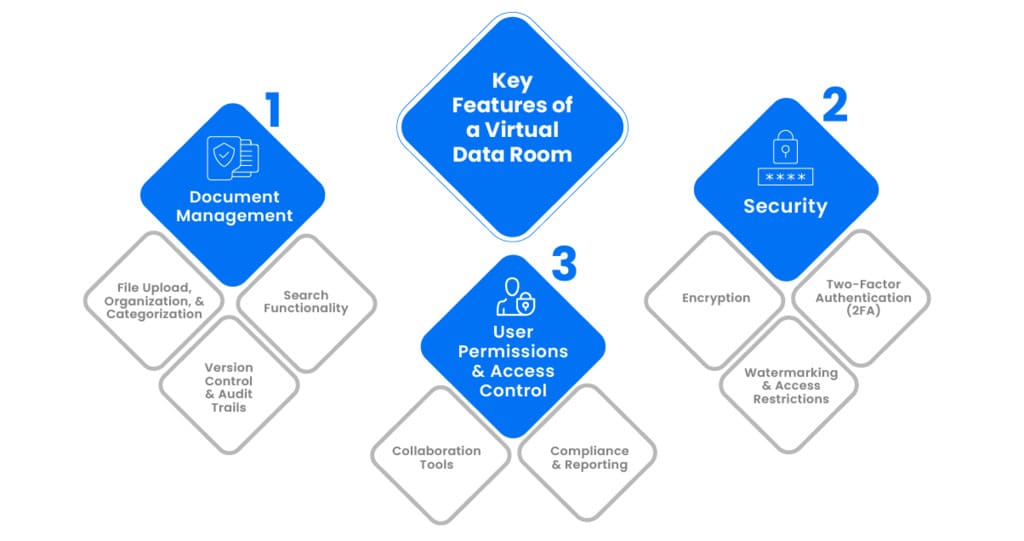
A virtual data room can shape how securely teams review sensitive records during major corporate projects. The wrong platform may disrupt access, raise costs, or delay critical document reviews. A clear selection process helps leaders match technology with operational needs and legal duties across departments and external advisory teams.
An effective data room due diligence process depends on strong access controls and a clear document structure. The platform should support authorized users while preserving firm control over confidential files. Now, here are five practical steps that can help decision-makers compare options and choose a suitable service without unnecessary complexity.
- Research Educational and Comparison Websites
Educational websites can explain virtual data room features before direct provider discussions begin. Comparison platforms can show how services differ across security, pricing, support, and transaction use. Review these areas as early research narrows the field:
- Provider strengths for specific corporate projects
- Published details about security and compliance
- Fee structures and possible contract limits
- Independent explanations of technical features
This research helps teams prepare sharper questions for sales calls and product demonstrations. Informational platforms should support the review process without replacing direct provider verification. Leaders should confirm major claims through official documents before any platform reaches the shortlist.
- Define Project and User Requirements
Start with a clear profile of the transaction and its expected participants. Estimate file volume, project length, review stages, and required access levels. A merger may need different controls than an audit, capital raise, or board review.
Define internal and external roles before access begins inside the secure workspace. Decide which groups may view, print, download, upload, or edit specific folders. This access plan creates a practical standard for later provider comparisons and contract talks.
- Compare Security and Compliance Controls
Strong security should protect files during storage, access, and approved transfer. The provider must also support the rules that apply to the organization’s records. Check these controls before a platform advances:
- Multi-factor authentication for user verification
- Granular permissions for sensitive folders
- Encryption for stored and transferred files
- Audit logs for document activity
These safeguards help administrators limit access and trace actions across the project. Compliance reports should come from recognized independent audits where relevant. Decision-makers should also ask how the provider handles incidents and restores affected accounts.
- Test Document Access and Workflow Tools
A secure platform still needs a clear interface that users can learn quickly. Request a demonstration that reflects the organization’s actual folder structure and review process. This test can reveal weak search tools, slow uploads, or confusing permission controls.
For data room due diligence, reviewers may need indexes, version control, Q&A tools, and fast search. Administrators should test permission changes and confirm that revoked access ends promptly. A realistic trial shows how the system performs under active project demands.
- Review Pricing, Support, and Pilot Results
Price comparisons require a clear view of what the quoted plan includes. Some providers charge per user, storage amount, page count, or project term. Review the contract for setup fees, renewal rules, and support limits before approval.
A short pilot allows selected users to test security controls and daily tasks. Ask participants to report delays, unclear steps, and access concerns after the trial. Final approval should depend on verified performance, suitable support, and a cost structure that matches the project.
The right virtual data room should fit the project, security standards, workflow, and commercial plan. Early research creates a stronger foundation for later tests and provider discussions. Careful comparisons and practical trials support a sound choice for current and future transactions alike.


