
 admin
admin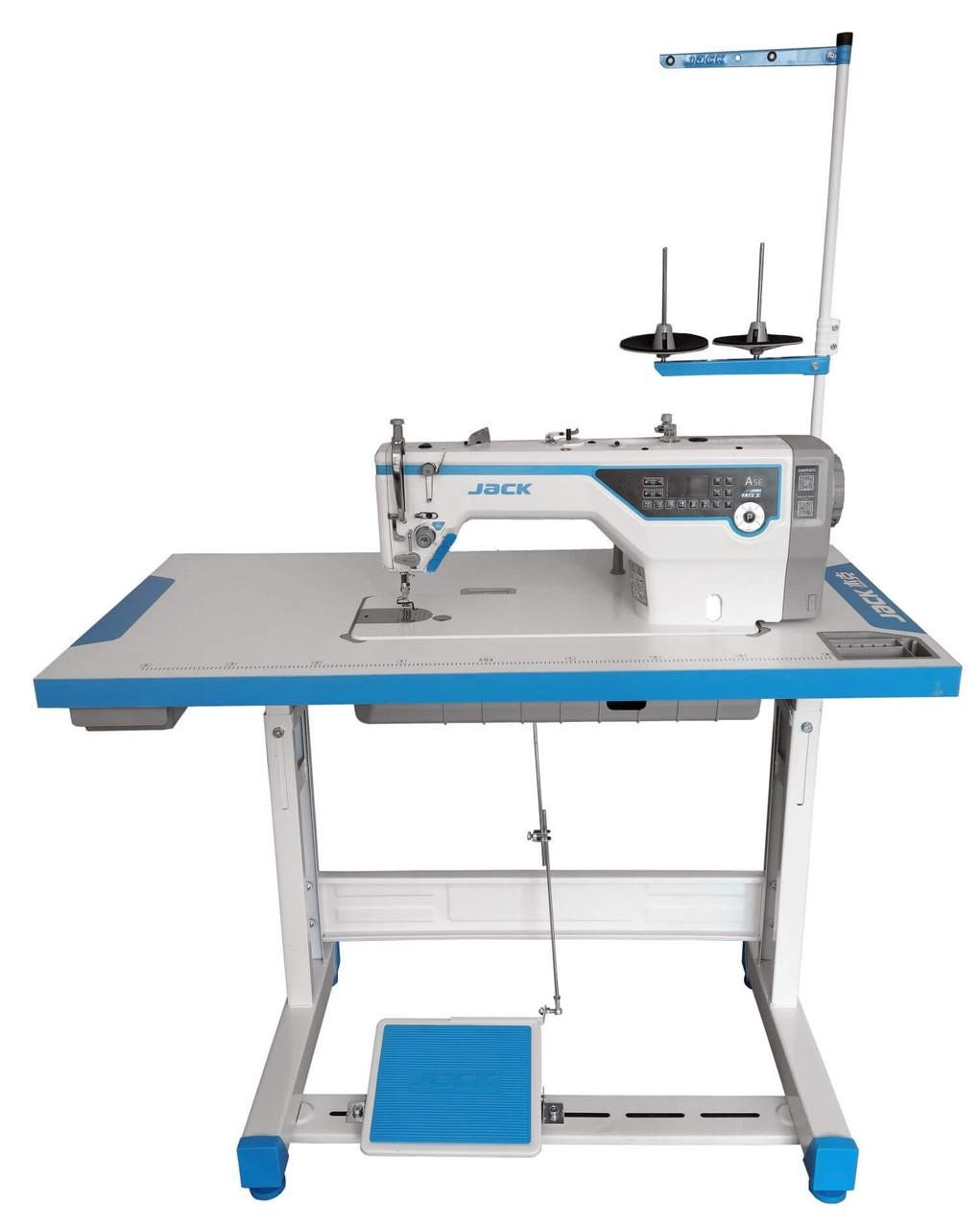
An industrial sewing machine is a powerhouse in the world of manufacturing. With its robust capabilities and precise stitching, it revolutionizes the way fabrics are transformed into products. These machines are the backbone of industries ranging from fashion to automotive, ensuring efficiency and quality in every stitch. Whether you’re a seasoned professional or a budding entrepreneur, understanding the ins and outs of an industrial sewing machine can be the key to unlocking your full creative potential. Join us as we delve into the intricate world of industrial sewing machines, where innovation meets craftsmanship.

Exploring the World of Industrial Sewing Machines
Welcome to the exciting world of industrial sewing machines! These powerful and versatile machines play a crucial role in various industries, from fashion and textiles to automotive and upholstery. In this blog post, we will delve deep into the functionalities, benefits, and the wide range of applications of industrial sewing machines. Let’s embark on a fascinating journey to discover the wonders of these incredible machines!
The Evolution of Industrial Sewing Machines
Industrial sewing machines have come a long way since their invention in the 19th century. Originally designed to streamline the process of garment manufacturing, these machines have undergone significant technological advancements over the years. Today, they boast cutting-edge features and capabilities that enable them to handle complex tasks with precision and efficiency.
Key Features of Industrial Sewing Machines
One of the standout features of industrial sewing machines is their robust construction. Unlike traditional sewing machines, industrial models are built to withstand heavy usage and can operate for extended periods without overheating. They are equipped with powerful motors that deliver high-speed stitching, making them ideal for large-scale production.
Another important feature of industrial sewing machines is their versatility. These machines can handle a wide range of fabrics, from lightweight silks to heavy-duty canvas, with ease. They offer a variety of stitch options, such as straight stitches, zigzag stitches, and decorative stitches, allowing for endless creative possibilities.
The Benefits of Using Industrial Sewing Machines
There are numerous benefits to using industrial sewing machines in a commercial setting. One of the main advantages is their speed and efficiency. Industrial machines can stitch much faster than traditional sewing machines, enabling businesses to increase their productivity and meet tight deadlines.
Industrial sewing machines also offer superior stitch quality and consistency. The precision engineering of these machines ensures that every stitch is uniform and secure, resulting in professional-looking finished products. This level of quality is essential for industries where durability and aesthetics are paramount.
Applications of Industrial Sewing Machines
Industrial sewing machines are utilized in a wide range of industries and applications. In the fashion industry, these machines are used to manufacture clothing, accessories, and footwear on a large scale. Their speed and precision make them indispensable for creating high-quality garments efficiently.
In the automotive industry, industrial sewing machines are used to sew upholstery and interiors for vehicles. These machines can handle heavy-duty materials like leather and vinyl, producing durable and aesthetically pleasing car interiors. Industrial sewing machines are also used in the production of furniture, bags, shoes, and other textile goods.
Choosing the Right Industrial Sewing Machine
When selecting an industrial sewing machine for your business, it is essential to consider your specific needs and requirements. Factors to consider include the type of fabrics you will be working with, the volume of production, and the desired stitch options.
It is also important to choose a reputable brand with a proven track record in the industry. Quality and reliability are paramount when investing in an industrial sewing machine, so be sure to research different brands and read reviews from other users before making a decision.
Maintenance and Care Tips
To ensure the longevity and optimal performance of your industrial sewing machine, regular maintenance is key. Keep the machine clean and well-oiled, following the manufacturer’s guidelines for lubrication and upkeep. It is also essential to have the machine serviced by a professional technician periodically to address any potential issues and keep it running smoothly.
Industrial sewing machines are remarkable tools that have revolutionized the way we create textiles and garments. Their speed, precision, and versatility make them indispensable in numerous industries, from fashion to automotive. By understanding the key features, benefits, and applications of industrial sewing machines, businesses can harness the power of these machines to boost their productivity and enhance the quality of their products. Invest in the right industrial sewing machine for your business, and unleash your creativity and efficiency like never before!
DOMESTIC vs INDUSTRIAL Sewing Machines… Which one should I buy?
Frequently Asked Questions
What are some common types of industrial sewing machines?
Industrial sewing machines come in various types, including single-needle lockstitch machines, overlock machines, double-needle machines, and buttonhole machines. Each type serves a specific purpose in the industrial sewing process, offering different functionalities and stitch types.
How do industrial sewing machines differ from domestic sewing machines?
Industrial sewing machines are designed for heavy-duty use in commercial settings, featuring faster stitching speeds, larger motors, and the ability to handle thicker fabrics. They are built for continuous operation and are more durable compared to domestic sewing machines.
What factors should be considered when choosing an industrial sewing machine?
When selecting an industrial sewing machine, factors to consider include the type of materials you intend to sew, the volume of production, the type of stitches needed, the available workspace, and the maintenance requirements of the machine. It is essential to match the machine’s features with your specific sewing needs.
Final Thoughts
In conclusion, the versatility and efficiency of industrial sewing machines make them indispensable in various manufacturing industries. The durability and speed of these machines ensure high-quality production and increased productivity. Investing in an industrial sewing machine can significantly boost a company’s output and profit margins. Overall, the use of industrial sewing machines revolutionizes the manufacturing process, providing reliable and consistent results for companies across different sectors.